Why Amethyst Is the Most Popular Healing Crystal (And How to Use It Daily)

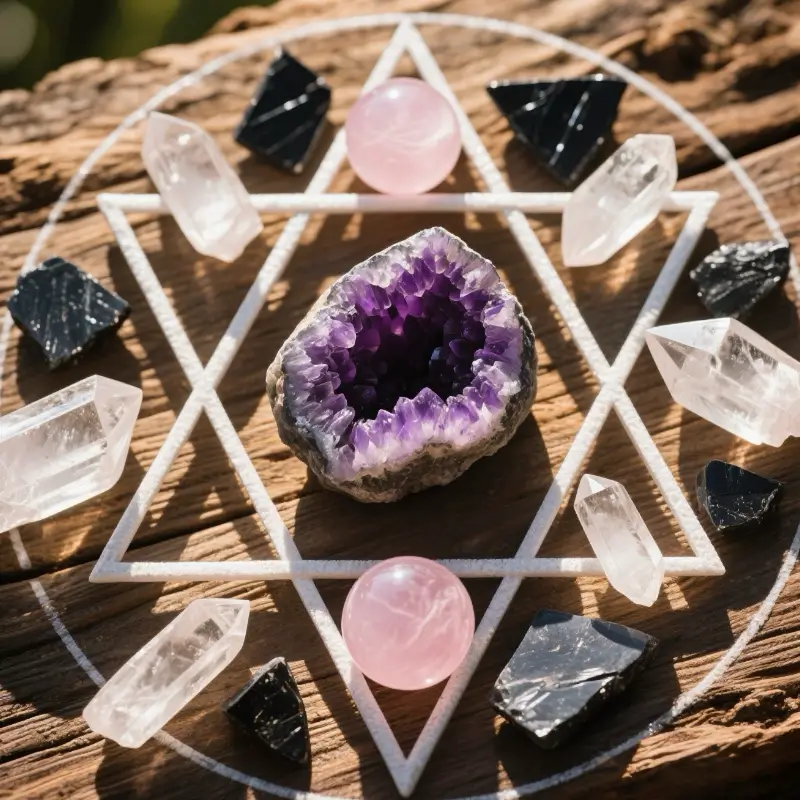
Amethyst is more than a stunning purple gemstone. For centuries, it has been known as a stone of peace, clarity, and protection. Today, it’s one of the most popular crystals for people seeking emotional balance, spiritual growth, and even better sleep.
In this guide, you’ll discover the four main areas of Amethyst healing—with real stories, practical methods, and answers to the questions people search for most.
Amethyst for Better Sleep
Story
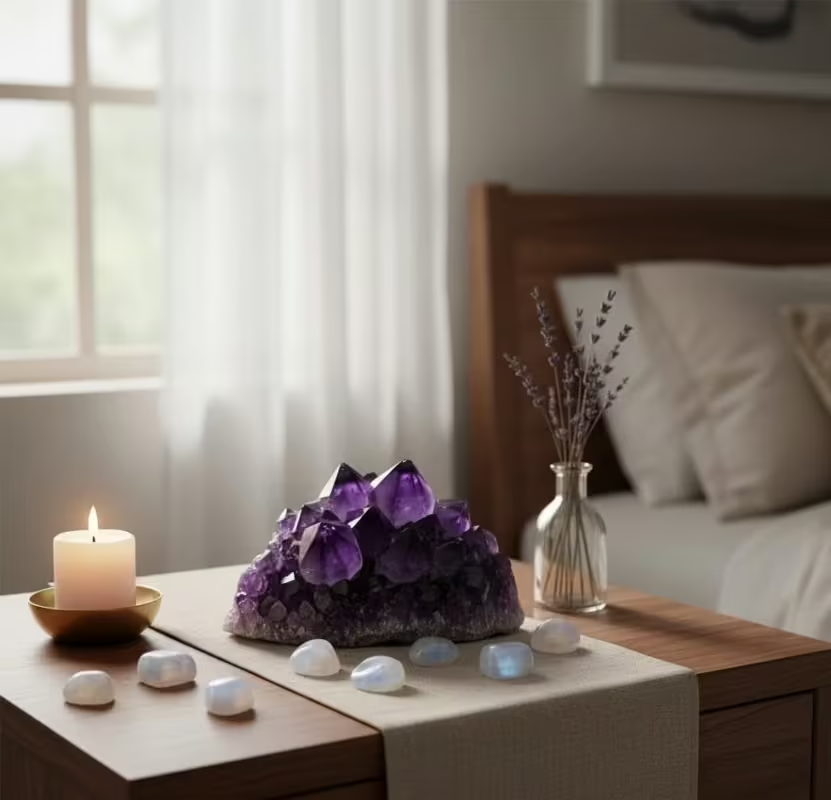
Anna, a graphic designer, struggled with insomnia for years. After trying supplements and sleep music with little success, she placed a small amethyst cluster on her nightstand. Within a week, she noticed she was falling asleep faster and waking up less during the night.
Anna said, “Every time I look at the amethyst by my bed, I feel calmer, like my mind can finally slow down.”
How to Use Amethyst for Sleep
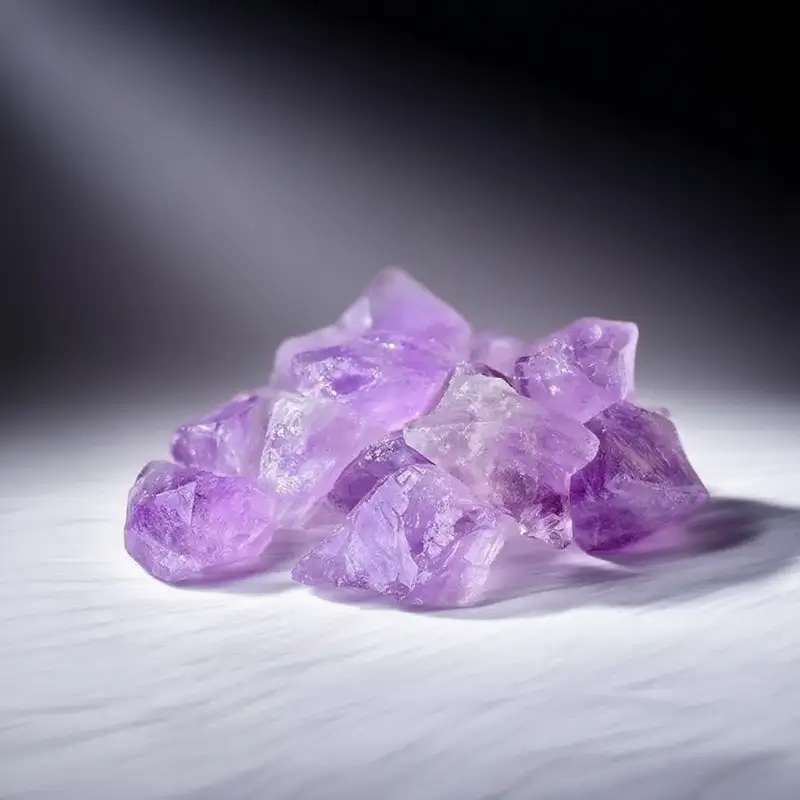
Place an amethyst cluster on your nightstand.
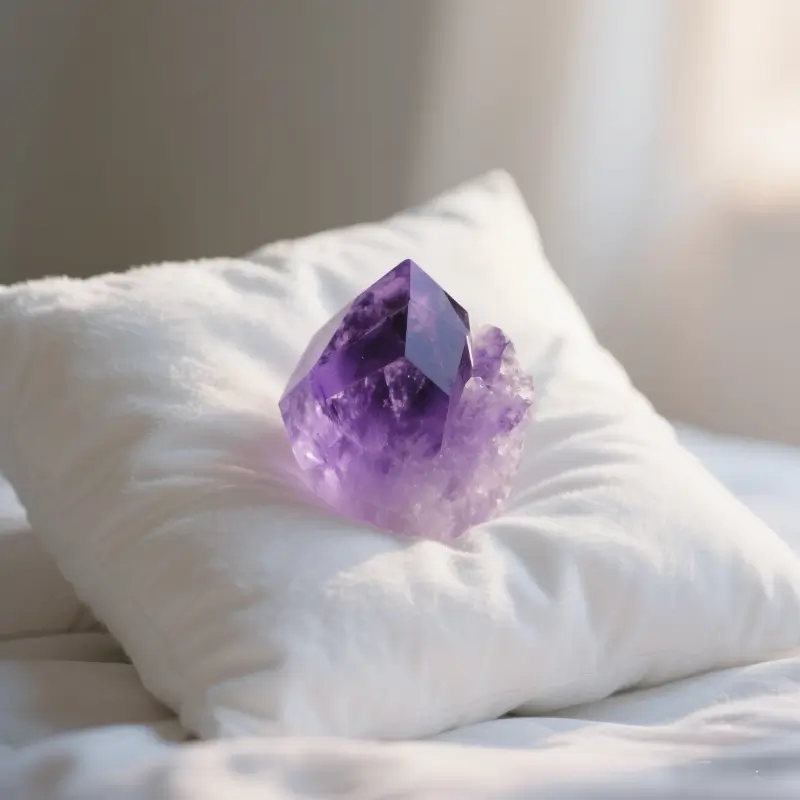
Slip a small tumbled stone under your pillow.
Combine with lavender oil or calming tea for a bedtime ritual.
Amethyst for Anxiety and Emotional Balance
Story
James, a marketing manager, often felt anxious before giving presentations. He started wearing an amethyst bracelet. Whenever nerves kicked in, he would hold the beads, take deep breaths, and focus on the stone. Over time, his confidence improved.
James shared, “The bracelet became my anchor. Just touching it reminded me to breathe and stay centered.”
How to Use Amethyst for Anxiety
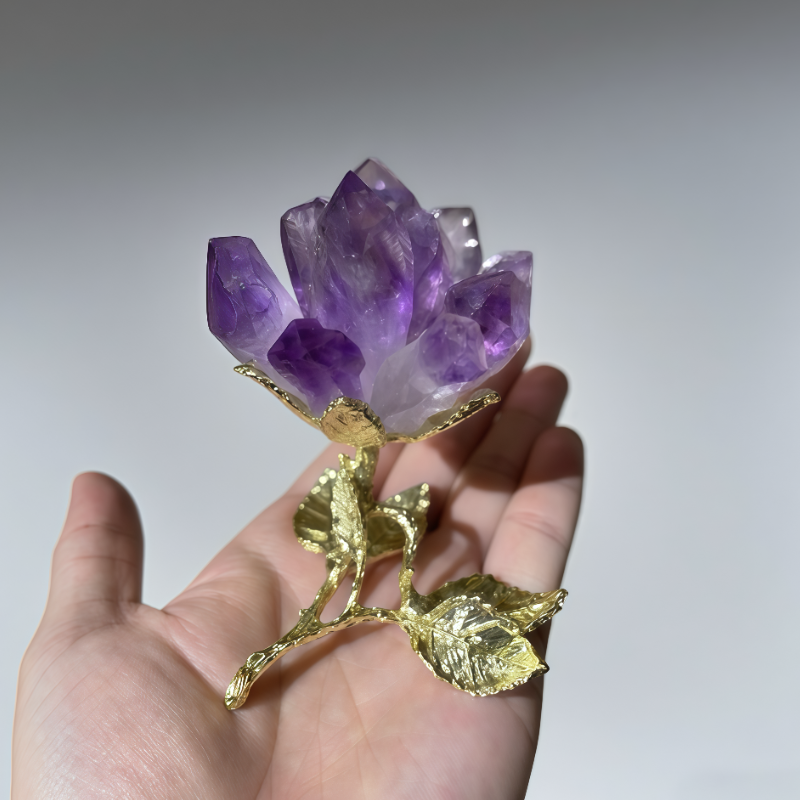
Wear an amethyst bracelet or pendant for daily support.
Keep a small cluster on your desk to ease stress at work.
During anxious moments, hold an amethyst palm stone and practice mindful breathing.
Amethyst for Meditation and Spiritual Growth
Story
Lily, a beginner meditator, struggled to stay focused. She began meditating with an amethyst sphere. Gazing at its purple hues while breathing slowly helped her quiet her thoughts. Within weeks, she noticed deeper meditation and a stronger sense of peace.
Lily explained, “Amethyst became my doorway into meditation. It gave me something beautiful to focus on.”
How to Use Amethyst in Meditation
Hold a palm stone during meditation.
Place amethyst on your third-eye chakra to enhance focus.
Create a meditation corner with amethyst clusters and candles.
Amethyst for Protection and Cleansing
Story
Sophie felt her new home lacked warmth. She placed a large amethyst geode by the front door. Soon, she noticed not only her own sense of comfort growing, but also that friends often commented on the “calm energy” of her home.
Sophie said, “I can’t explain it, but the space feels lighter and more welcoming.”
How to Use Amethyst for Protection
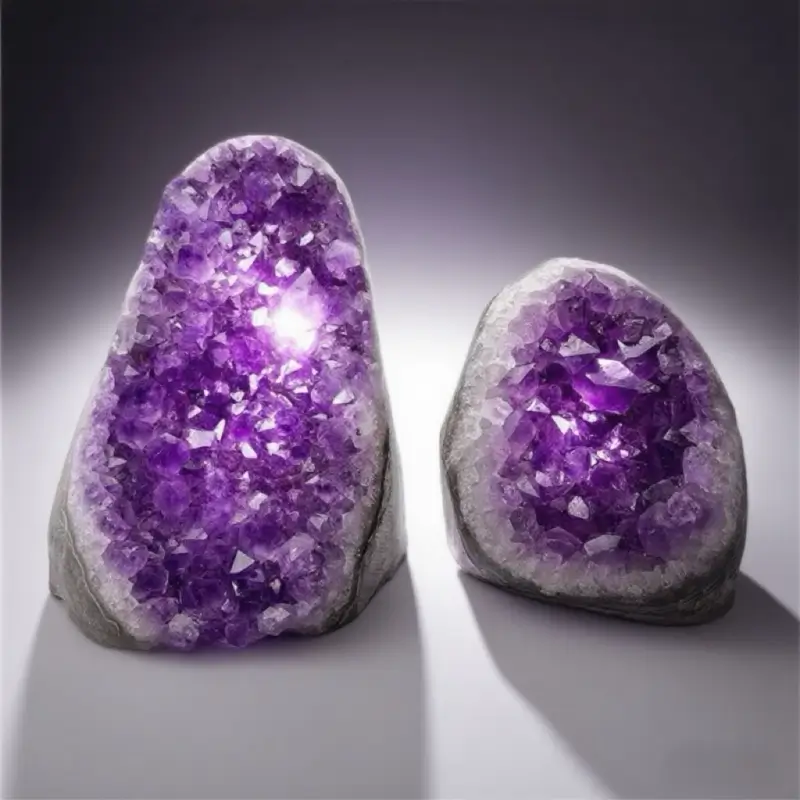
Place an amethyst geode in your entryway to filter energy.
Keep a cluster in your living room or office to cleanse the atmosphere.
Wear an amethyst pendant as an energy shield.
Final Thoughts
Amethyst is one of the most versatile healing crystals. Whether you’re using it for sleep, stress relief, meditation, or protection, it creates a sense of peace and balance.
While science has not proven crystal healing, psychologists agree that rituals and environmental cues can positively impact mood and mindset. For many, amethyst serves as both a beautiful decoration and a powerful reminder to slow down and reconnect with themselves.
FAQs About Amethyst Healing
Q1: Can amethyst really help with sleep?
Many people say it helps them relax and fall asleep faster. While not scientifically proven, amethyst can support your sleep by creating a calming bedtime ritual.
Q2: How do I cleanse my amethyst crystal?
Popular methods include smudging with sage, placing it under moonlight, or briefly rinsing it with water.
Q3: Can I wear amethyst every day?
Yes. Many people wear amethyst jewelry daily for emotional balance and protection.
Q4: Which type of amethyst is best for healing?
For sleep → small tumbled stones or clusters.
For meditation → palm stones or spheres.
For protection → large clusters or geodes.
Q5: Is amethyst safe to keep under a pillow?
Yes, as long as it’s smooth and small. A tumbled stone is usually best for this purpose.